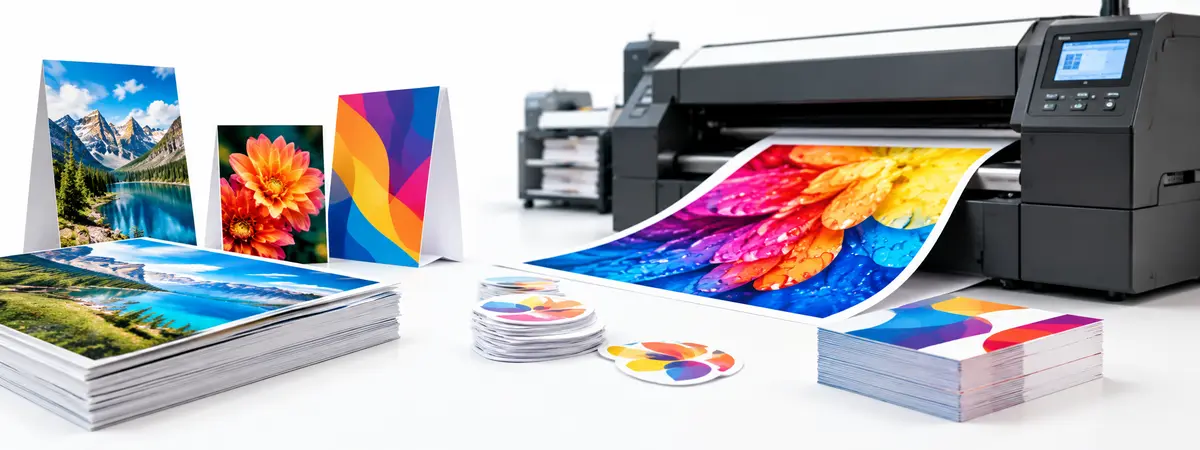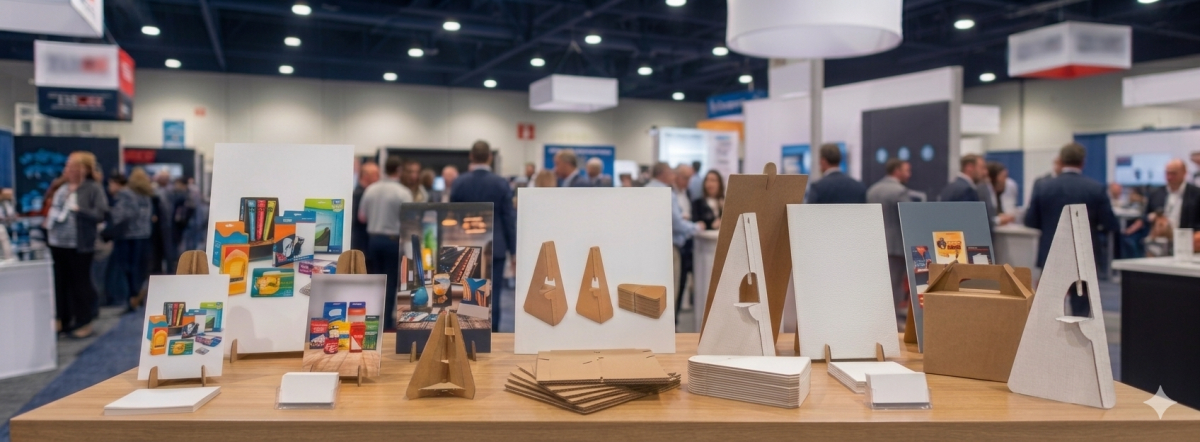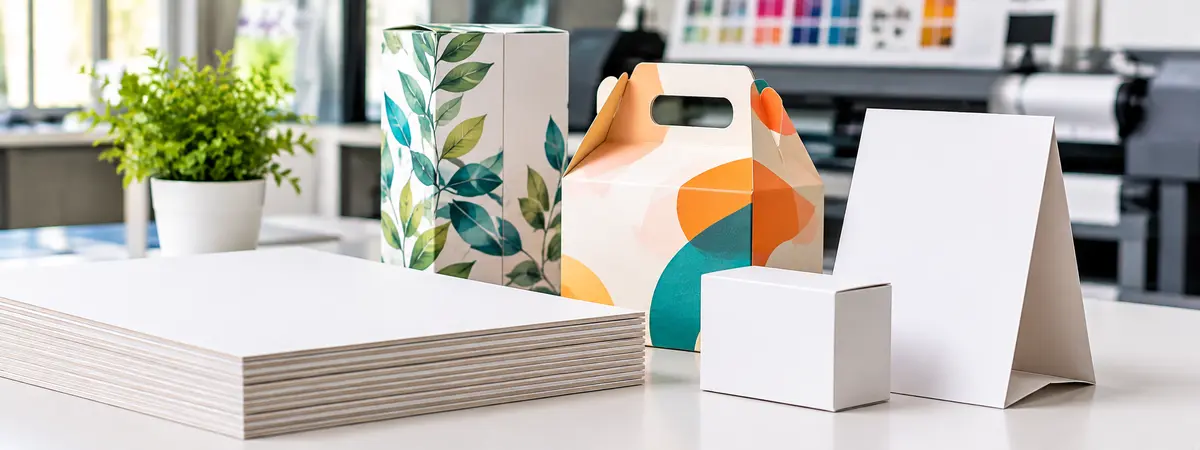
A printed design may look excellent on screen and on paper, but the finished piece also needs the right structure for its intended use. A sign that must remain rigid, a mounted graphic that needs support or a packaging component that must hold its shape requires more than an attractive printed surface. The board behind the design can influence how the finished product looks, handles and performs.
Paperboard is used across print finishing, packaging and display production because it can provide a stable base for printed graphics and structural components. However, not every board is suitable for every job. Thickness, surface finish, sheet size, print requirements and the demands of the finished application should be considered before production begins.
This guide reviews the factors involved in selecting paperboard for print, packaging and display projects, and explains where REDI-Board may fit into those workflows.
What Is Paperboard Used For?
Paperboard is a thick paper-based material used when a project needs more body and rigidity than standard printing paper can provide. In commercial print and display work, it may be used as a mounting base, backing board, packaging component or structural support.
The correct specification depends on the job. A backing board for a mounted graphic may have different requirements from a box component or presentation piece. Consider finished dimensions, expected handling, construction method and whether the board will be printed, laminated, mounted or die-cut.
| Project requirement | Paperboard consideration |
|---|---|
| Printed graphic support | Surface quality, rigidity and mounting compatibility |
| Packaging component | Structural strength, dimensions and assembly requirements |
| Signage backing | Flatness, thickness and finished display size |
| Presentation material | Surface appearance and consistency |
| Production efficiency | Sheet size, handling and finishing compatibility |
A material that is too flexible may not provide enough support. A board that is unnecessarily thick may add cost and complicate cutting, folding or assembly. Match the material to the job rather than automatically choosing the thickest option.
Understanding REDI-Board
REDI Products describes REDI-Board as 100% recycled paperboard with a thickness of .050 inches and a white-lined finish on both sides. The product is intended for print, packaging and display applications where a rigid, clean-looking board is required.
The product information lists a smooth surface for printing or mounting and identifies applications such as mounting printed materials, structural display support, gift boxes and packaging, signage backing boards, presentation materials and retail or promotional displays.
| REDI-Board specification | Published product information |
|---|---|
| Material | 100% recycled paperboard |
| Thickness | .050 inch |
| Finish | White-lined on both sides |
| Surface | Smooth surface for printing or mounting |
| Listed applications | Mounting, packaging, structural support and displays |
| Listed sizes | 8.5 × 11, 11 × 17 and 20 × 26 inches on the product listing |
| Custom sizing | Contact REDI Products to confirm requirements |
Product listings and availability can change. Confirm current sizes and specifications with REDI Products for a particular job.
How to Select Paperboard
- Define the finished use: Decide whether the board will back a graphic, support a display, form part of a package or provide a presentation surface.
- Confirm the required rigidity: Consider finished dimensions and how the item will be handled. Larger pieces may need more support than small inserts.
- Review the surface: If the board will be printed or mounted, check suitability for the intended process. REDI-Board is described as having a smooth, white-lined finish on both sides.
- Check the production process: Cutting, scoring, folding, laminating and mounting place different demands on board. Confirm compatibility with equipment and finishing methods.
- Match sheet size to the job: Sheet dimensions affect layout, waste, handling and production planning. Ask about custom sizing if standard options do not suit the project.
- Consider material sourcing: If recycled content matters, verify the material information. REDI Products identifies REDI-Board as 100% recycled paperboard.
Applications Across Print, Packaging and Display
Mounting printed materials. Paperboard can provide a substantial backing for printed graphics and presentation pieces. The board’s surface and rigidity should suit the mounting method and finished dimensions.
Signage backing. A rigid backing can help a printed sign maintain its shape. Consider where the sign will be placed, how it will be supported and how often it will be handled.
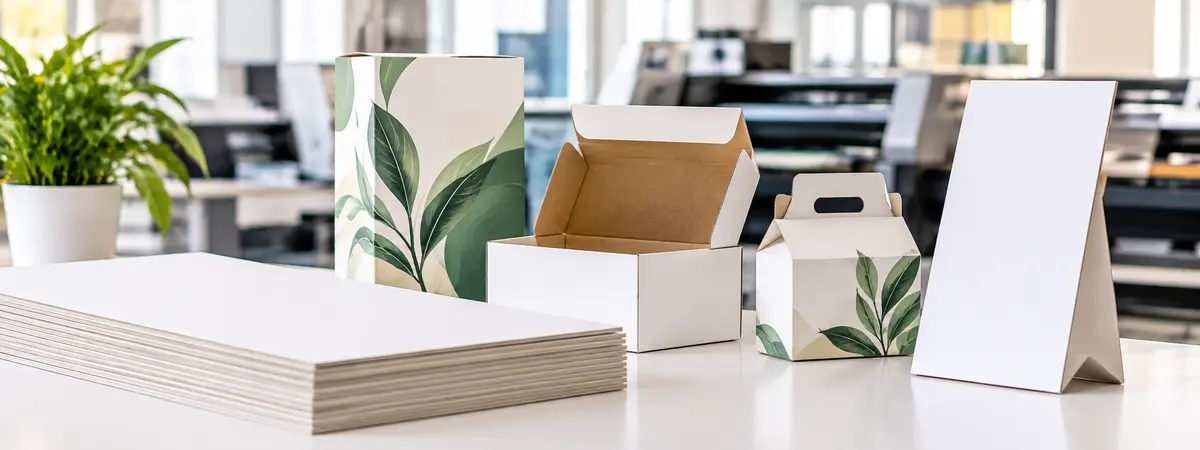
Packaging components. Paperboard can be used in packaging structures and box-related applications. Evaluate the final construction for the product’s dimensions, weight and handling conditions rather than relying on thickness alone.
Retail and promotional displays. Display projects may require a stable base for printed panels or components. Consider display size, construction and expected use period.
Presentation materials. A board substrate can add structure to printed materials intended for professional presentation.
Paperboard vs. Standard Printing Paper
Standard printing paper is generally selected for reproducing text and images, while paperboard is used when a project needs additional thickness or structural support. The two can also be combined: printed paper may be mounted to board to create a more rigid finished piece.
| Consideration | Standard printing paper | Paperboard |
|---|---|---|
| Primary role | Print reproduction | Structure, backing or packaging |
| Rigidity | Generally flexible | Generally more rigid |
| Typical use | Flyers, documents and brochures | Backing, packaging and display components |
| Finishing | Folding, trimming and binding | Cutting, mounting, scoring or assembly may apply |
| Selection priority | Print quality and paper weight | Thickness, rigidity, surface and construction |
This is a general distinction, not a substitute for checking a particular stock’s specifications. The correct choice depends on the product design and production process.
Production Planning Tips
Before committing to a production run, confirm the board specification with the printer or finishing team. Review the intended print or mounting process, final size, cutting tolerances and any folding or assembly requirements. If the job includes several components, make sure the selected board works across the complete construction.
Where possible, evaluate a sample or prototype before producing the full quantity. A prototype can reveal issues with stiffness, surface appearance, cutting, fit or assembly that may not be obvious from a specification sheet.
Plan sheet utilization as well. Efficient imposition can reduce offcuts, but the layout must leave sufficient space for cutting and finishing. Store sheets so they remain flat and clean before production.
Common Mistakes to Avoid
- Choosing thickness without considering the finished design: assess size, support and handling together.
- Assuming every board suits every press or finishing process: confirm compatibility.
- Ignoring surface requirements: printing or mounting needs a suitable surface.
- Skipping a prototype: test actual construction when fit or structural performance matters.
- Overlooking sheet utilization: plan around available sizes and finishing allowances.
- Making unsupported sustainability claims: the stated recycled-content claim does not establish unverified certifications or end-of-life outcomes.
Frequently Asked Questions
Conclusion
The right paperboard connects a printed design to the practical demands of the finished product. By considering rigidity, surface, thickness, sheet size and production method, printers and packaging teams can select a material that supports the project without adding unnecessary complexity.
REDI-Board is listed by REDI Products as a .050-inch, 100% recycled paperboard with a white-lined finish on both sides. Its stated uses include mounting, packaging, display support and presentation applications.
Review the REDI-Board product details and contact REDI Products to discuss the appropriate sheet size and specification for your next print, packaging or display project.