Businesses today often need printed materials faster and in smaller quantities than traditional high-volume printing methods are designed to handle.
A company may need a few hundred marketing pieces for a specific campaign, customized materials for a particular customer, or a limited quantity of promotional products for an upcoming event.
This is where digital printing for short runs can provide a practical solution.
Digital printing allows commercial printers and businesses to produce smaller quantities without necessarily requiring the same setup associated with traditional long-run printing. However, printing is only one part of the process.
To make short-run production truly efficient, printers also need to consider paper selection, finishing, handling, and turnaround time.
The right materials and finishing approach can help reduce unnecessary production steps while maintaining a professional finished product.
What Is Digital Printing for Short Runs?
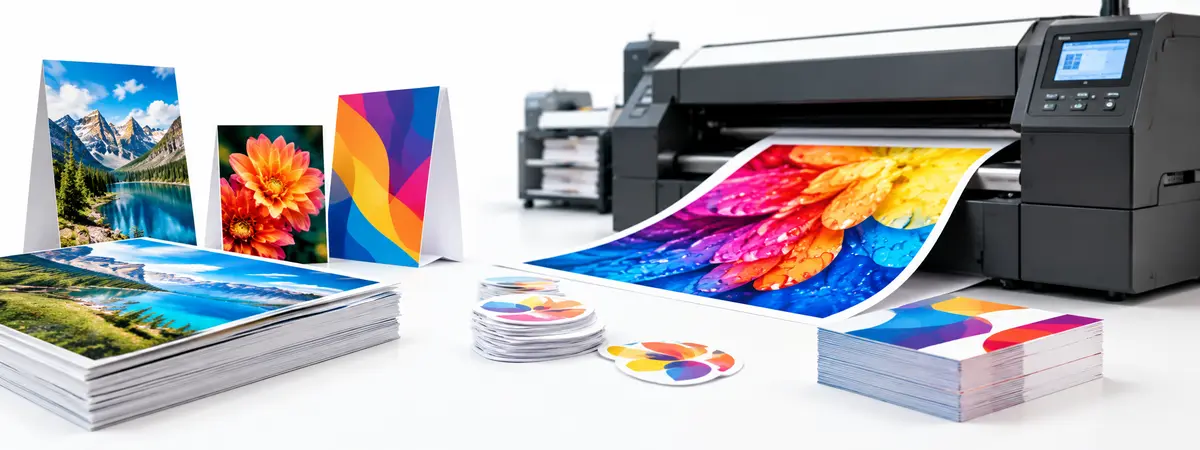
Digital printing for short runs refers to producing relatively small quantities of printed materials using digital printing technology.
Unlike traditional printing methods that can become more economical at higher volumes, digital printing is particularly useful when businesses need:
- Smaller quantities
- Faster turnaround
- Customized content
- Multiple versions
- On-demand production
- Frequent design changes
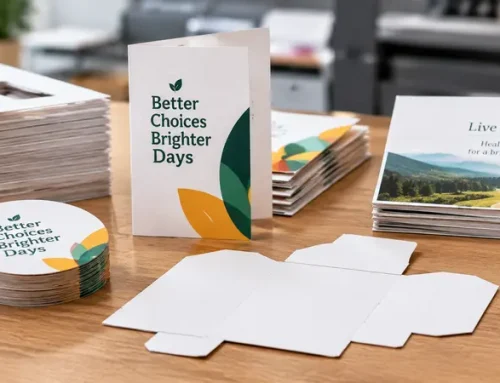
Short-run digital printing can be used for a wide range of applications, including brochures, cards, marketing materials, forms, labels, promotional pieces, and specialty printed products.
For commercial printers, it can also provide greater flexibility when managing jobs with different quantities and production requirements.
Why Are Short-Run Digital Printing Jobs Becoming More Important?
Customer expectations have changed.
Businesses increasingly want marketing materials that can be customized for specific audiences, campaigns, locations, products, or events.
Producing large quantities of one generic version may not always be the most practical approach.
Short-run digital printing makes it easier to produce smaller batches and update content when necessary.
For example, a retailer may need one version of a promotional campaign for one location and another version for a different market.
A business launching a new product may need only enough printed materials for an initial campaign.
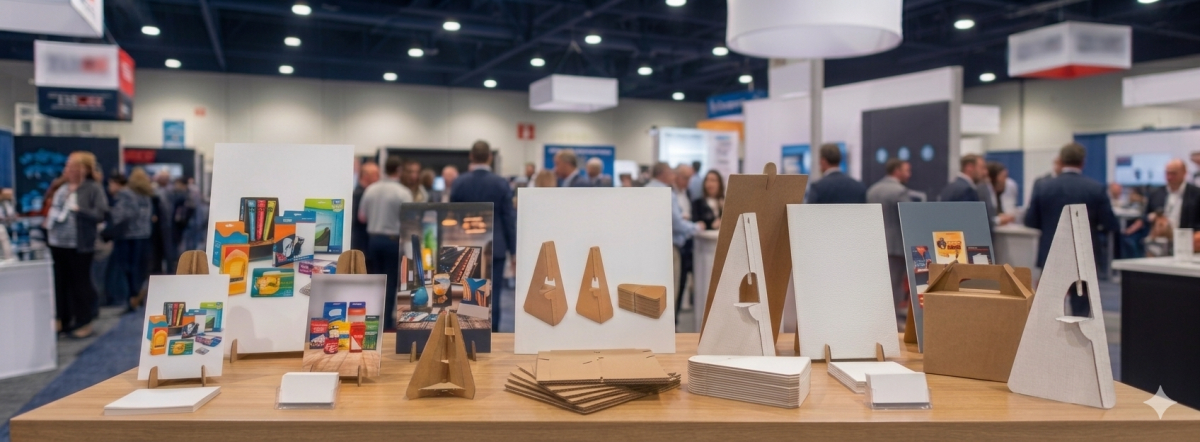
A trade show exhibitor may need a limited number of brochures or promotional pieces for a specific event.
These situations make flexibility an important part of modern print production.
5 Ways to Improve Short-Run Digital Printing
1. Choose Materials Designed for Digital Printing
The material used for a short-run project can have a major impact on production efficiency.
Printers need to consider whether the paper or substrate is compatible with their digital press and whether it supports the required finishing process.
Using materials designed for digital printing can help reduce production issues and improve consistency.
Specialty materials can also expand the range of applications that printers can produce.
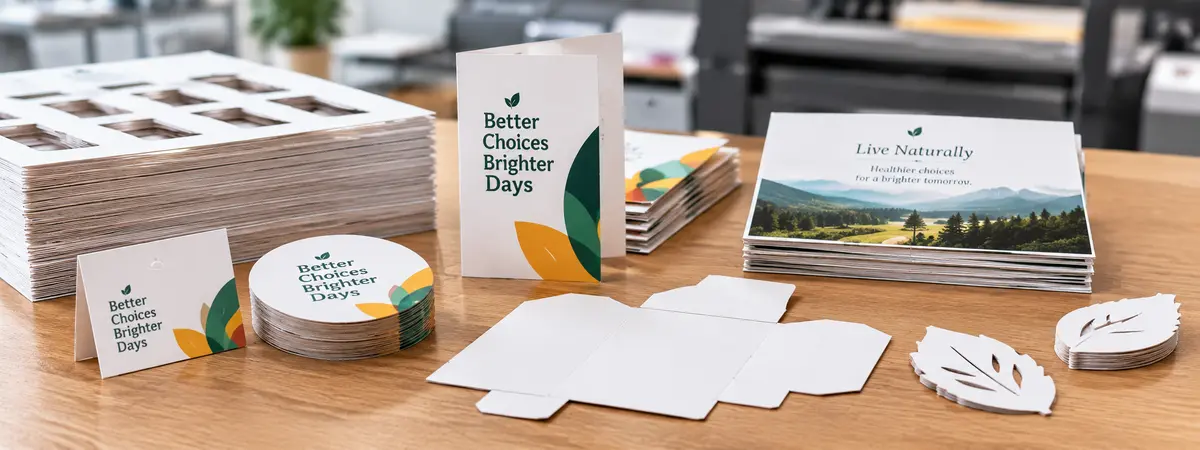
For example, pre-perforated, pre-scored, or pre-die-cut materials can reduce some of the additional finishing work required after printing.
2. Reduce Unnecessary Finishing Steps
Printing the job quickly does not necessarily mean the complete production process will be fast.
If printed sheets require extensive cutting, scoring, perforating, folding, or other manual work, finishing can become a bottleneck.
Using appropriately prepared materials can help simplify this stage.
For certain applications, REDI-Perf provides pre-perforated, pre-scored, and specialty print materials designed to support efficient digital print production.
By incorporating some finishing requirements into the material itself, printers can potentially reduce post-print processing and move more efficiently toward the finished product.
3. Plan the Finishing Process Before Printing
A common mistake is to think about finishing only after the job has been printed.
For short-run projects, planning the complete production workflow in advance can help prevent unnecessary delays.
Before printing, consider:
- Final product size
- Required cuts
- Scoring requirements
- Perforation requirements
- Folding
- Mounting
- Binding
- Packaging
- How the finished pieces will be separated or distributed
When these requirements are identified before production begins, it becomes easier to select the appropriate material and printing method.
4. Use Short Runs to Support Customization
One of the major advantages of digital printing is flexibility.
Short runs can make it more practical to produce different versions of the same marketing material.
For example, a printer could produce variations based on:
- Location
- Customer segment
- Product
- Promotion
- Event
- Language
- Sales representative
Instead of producing one large quantity and storing excess inventory, businesses can produce materials closer to their actual requirements.
This can be particularly useful for time-sensitive marketing campaigns.
5. Choose Finishing Methods Based on the Application
Not every short-run project needs the same finishing process.
A simple printed insert may require minimal finishing, while a premium marketing piece may benefit from additional processes.
Depending on the project, finishing may include:
- Laminating
- Foil stamping
- Embossing
- Die-cutting
- Letterpress
- Tabbing
- Taping
- Mounting
The key is to select the finishing method that supports the purpose of the finished product without adding unnecessary production complexity.
How REDI-Perf Supports Short-Run Digital Printing
REDI-Perf is designed to help printers handle specialty print applications that require perforation, scoring, die-cutting, or other finishing considerations.
Pre-prepared materials can be particularly useful for short-run projects because they can reduce some of the post-print processing required to turn a printed sheet into its final format.
Depending on the application, REDI-Perf materials can help printers produce:
- Forms
- Cards
- Tags
- Inserts
- Tickets
- Coupons
- Folders
- Specialty marketing materials
The specific material should always be selected based on the printing equipment, application, sheet requirements, and desired finished result.
Benefits of Using Specialty Materials for Short Runs
Specialty materials can provide several practical advantages when producing smaller print quantities.
Less Manual Handling
Pre-prepared materials can reduce some repetitive cutting, scoring, or separating work.
Consistent Results
Predefined cuts, scores, or perforations can help maintain consistency across printed pieces.
Faster Production
Reducing post-print processing can help shorten the path from printed sheet to finished product.
Greater Application Flexibility
Specialty substrates can make it possible to produce formats that would otherwise require additional finishing processes.
Better Workflow Planning
Selecting the right material at the beginning allows printers to design the complete production process around the final application.
Digital Printing vs. Traditional Printing for Short Runs
The right printing method depends on the project, but digital printing can offer specific advantages for shorter quantities.
| Digital Printing | Traditional High-Volume Printing |
|---|---|
| Well suited to smaller quantities | Often more economical for larger volumes |
| Supports variable and customized content | Generally better suited to consistent large-volume runs |
| Can support quick-turnaround projects | May involve more setup |
| Makes frequent updates practical | Better suited to repeat production |
| Flexible for multiple versions | Efficient for high-volume consistency |
Neither method is universally better. The best choice depends on quantity, application, budget, turnaround requirements, customization, and finishing needs.
How to Make Short-Run Printing More Efficient
A few practical changes can help printers improve their short-run workflows.
Start With the Finished Product
Before selecting paper or setting up the press, determine exactly what the final product needs to look like.
Select the Right Substrate
Make sure the material is compatible with the digital press and the intended finishing process.
Minimize Unnecessary Handling
Look for opportunities to reduce repetitive manual steps.
Test Before Full Production
A test run can help identify issues with printing, alignment, scoring, perforation, or finishing before the complete job is produced.
Plan for Finishing
Consider every step between the printed sheet and the finished product.
This approach can help prevent finishing requirements from becoming an unexpected production bottleneck.
Applications for Short-Run Digital Printing
Digital printing for short runs can support many different commercial applications.
Marketing Campaigns
Businesses can produce limited quantities of promotional materials for specific campaigns.
Events and Trade Shows
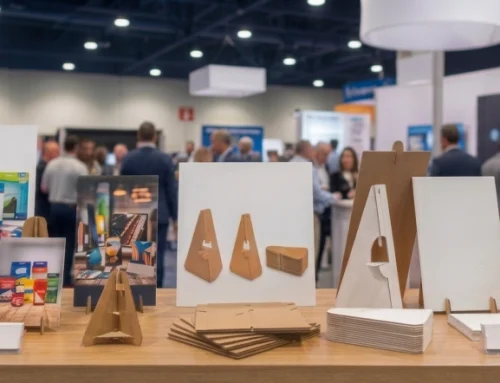
Organizations can produce brochures, cards, signage, and other materials for individual events without committing to large quantities.
Product Launches
Short runs can provide printed materials for an initial product launch while allowing future versions to be updated.
Variable Marketing Materials
Different versions can be produced for different audiences, locations, or customer groups.
Forms and Specialty Products
Pre-perforated and pre-scored materials can simplify production of forms, cards, tickets, inserts, and other specialty products.
Why Choose REDI-Products?
REDI-Products focuses on specialty print products designed around the practical needs of commercial printers, POP designers, and other print professionals.
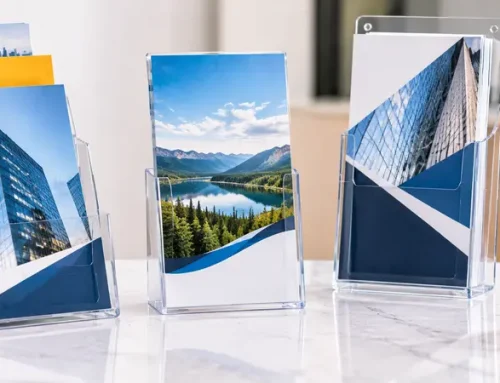
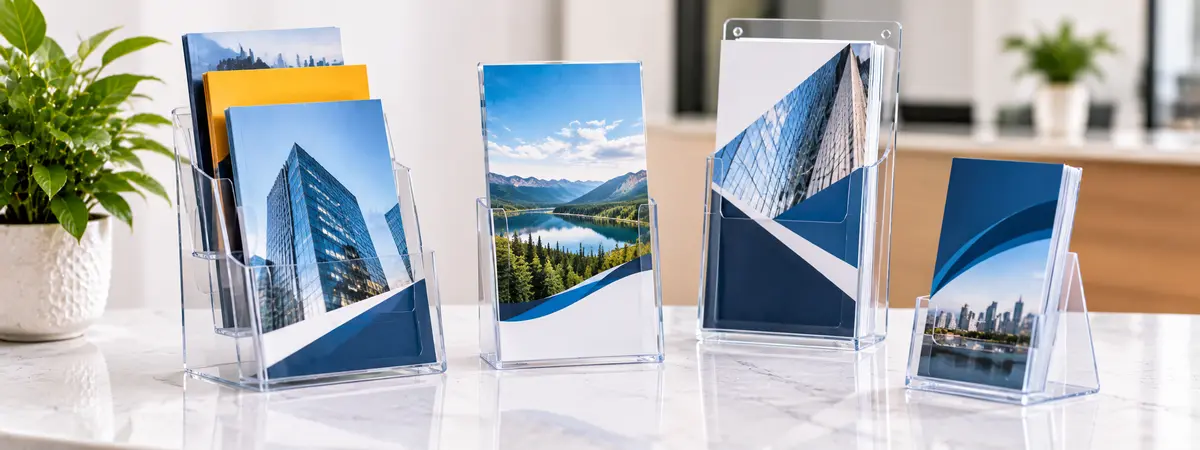
Its product range includes REDI-Perf specialty papers, signs, easel backs, literature holders, counter cards, pocket folders, thick board, and other print and display products.
For printers producing short-run projects, having access to specialty materials can help create more efficient workflows and expand the range of applications they can offer.
REDI-Perf is particularly relevant when a project requires pre-prepared perforations, scoring, or other specialty configurations.
Improve Your Short-Run Printing Workflow
Digital printing has made it easier for commercial printers and businesses to produce smaller quantities, customize content, and respond quickly to changing requirements.
But an efficient short-run workflow requires more than a digital press.
Choosing the right substrate, planning finishing requirements early, and reducing unnecessary post-print processing can all help improve production efficiency.
REDI-Perf provides specialty materials that can support these goals by incorporating features such as perforation and scoring into the printing material.
For commercial printers looking to improve speed, flexibility, and finishing efficiency, the right combination of digital printing and specialty materials can make short-run production more practical.
Ready to improve your short-run printing workflow? Explore REDI-Perf or contact REDI-Products to find the right material for your next project.